Discovering a rodent problem in your home or business can be stressful. Whether it’s scratching in the walls, droppings in the pantry, or chewed wiring, rodents are more than a nuisance—they can pose serious health and safety risks. If you suspect an infestation, here’s what you should consider before taking action.
1. Identify the Type of Rodent
Not all rodent problems are the same. The most common culprits are:
House Mouse – Small, adaptable, and capable of squeezing through openings as small as a dime. They reproduce quickly and often nest indoors.
Norway Rat – Larger, burrowing rodents that typically live in basements, crawlspaces, and lower levels.
Roof Rat – Agile climbers that prefer attics, ceilings, and upper areas of buildings.
Correct identification helps determine the right treatment approach. For example, roof rats require different trapping and exclusion strategies than burrowing Norway rats.
2. Assess the Level of Infestation
Early detection can prevent a minor issue from becoming a full-blown infestation. Signs to look for include:
Droppings near food sources or along baseboards
Gnaw marks on food packaging, wood, or wiring
Scratching sounds in walls or ceilings
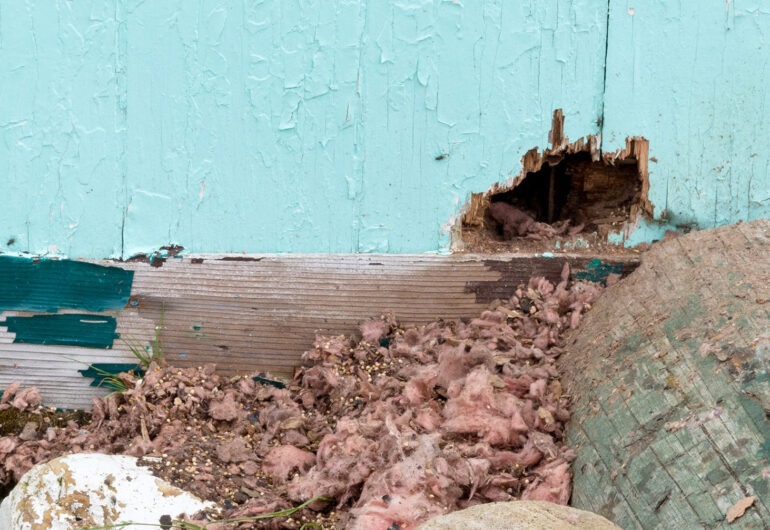
Nests made from shredded paper or insulation
Grease marks along walls from repeated travel paths
If you’re seeing rodents during the day, it may indicate a larger population, as rodents are typically nocturnal.
3. Consider the Health Risks
Rodents can carry bacteria and viruses that contaminate surfaces and food. Exposure to droppings, urine, and nesting materials can spread disease and trigger allergies or asthma.
Some of the illnesses associated with rodents include:
Proper cleanup and sanitation are critical. Avoid sweeping or vacuuming droppings directly, as this can aerosolize harmful particles. Instead, use disinfectant and protective gloves.
4. Evaluate Structural Vulnerabilities
Rodents enter buildings through surprisingly small gaps. Conduct a thorough inspection of:
Foundation cracks
Gaps around doors and windows
Utility line openings
Roof vents and eaves
Garage doors
Sealing entry points—known as exclusion—is one of the most effective long-term solutions. Without it, even successful trapping may only provide temporary relief.
5. Protect Your Property
Beyond contamination, rodents can cause significant structural damage:
Chewing electrical wiring (fire hazard)
Damaging insulation
Gnawing wood framing
Ruining stored goods
If wiring has been compromised, consider having an electrician inspect the area to prevent potential fire risks.
6. DIY vs. Professional Help
For small, isolated problems, traps and improved sanitation may resolve the issue. However, larger infestations often require professional intervention.
A licensed pest control professional can:
Properly identify the species
Locate hidden nesting sites
Implement safe and targeted treatment
Provide long-term prevention strategies
Poison-based solutions should be used cautiously, especially in homes with pets or children, and may lead to odor issues if rodents die inside walls.
7. Prevent Future Infestations
Once the immediate problem is resolved, prevention becomes key:
Store food in airtight containers
Keep trash sealed and disposed of regularly
Remove clutter that can serve as nesting material
Maintain landscaping away from the home’s foundation
Schedule routine inspections if you’ve had recurring issues
Rodents are opportunistic. Removing food, water, and shelter sources dramatically reduces the likelihood of re-infestation.
Final Thoughts
A rodent problem is more than an inconvenience—it’s a health, safety, and structural concern. Acting quickly, identifying the species, sealing entry points, and maintaining sanitation are critical steps toward resolving the issue effectively. Whether you handle it yourself or bring in professionals, a proactive and thorough approach will protect your home and provide long-term peace of mind.