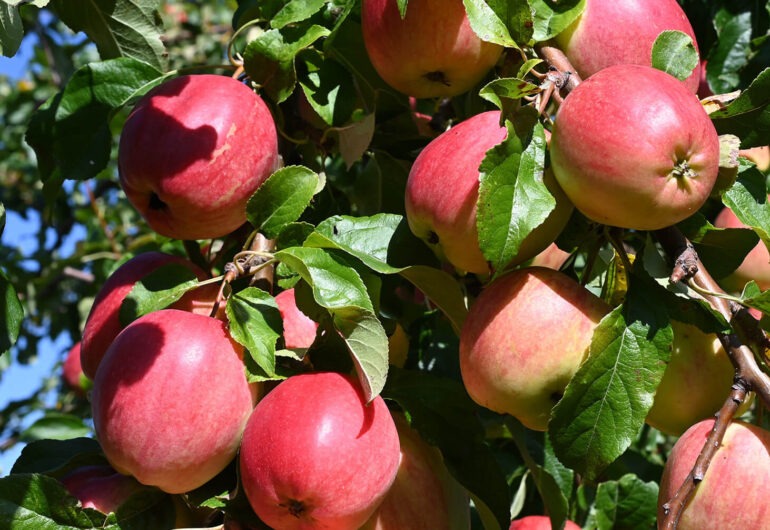
If you grow fruit trees, you already know the challenge: insects love ripe fruit as much as you do. While chemical sprays are common, many gardeners prefer non-spray methods to protect pollinators, avoid residue, and maintain a more natural growing environment. The good news? You can manage many insect problems effectively without traditional spraying.
Here’s how.
1. Start With Proper Identification
Before taking action, identify the pest. Common fruit tree insects include:
Codling Moth – A major pest of apples and pears; larvae tunnel into fruit.
Aphid – Sap-sucking insects that cluster on leaves and shoots.
Japanese Beetle – Metallic green beetles that skeletonize leaves.
Plum Curculio – A weevil that lays eggs in developing fruit.
Correct identification ensures you choose the right non-spray control method.
2. Use Physical Barriers
Bagging Individual Fruit
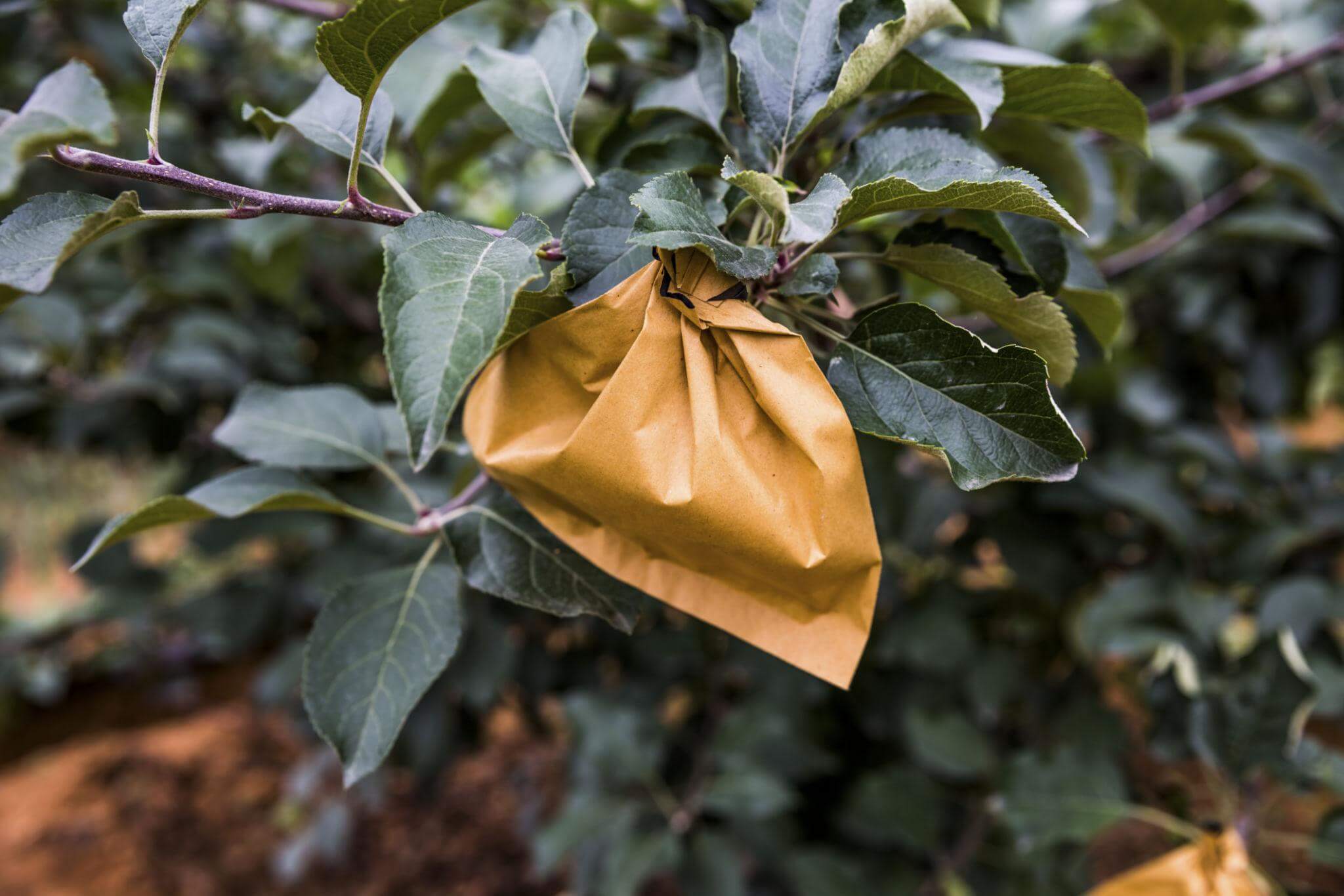
One of the most effective spray-free methods is placing small paper or mesh bags over individual fruits shortly after fruit set. This protects against moths, beetles, and egg-laying insects while still allowing airflow.
Best for: Apples, pears, peaches, and plums.
Timing: After pollination, when fruit is marble-sized.
Tree Netting
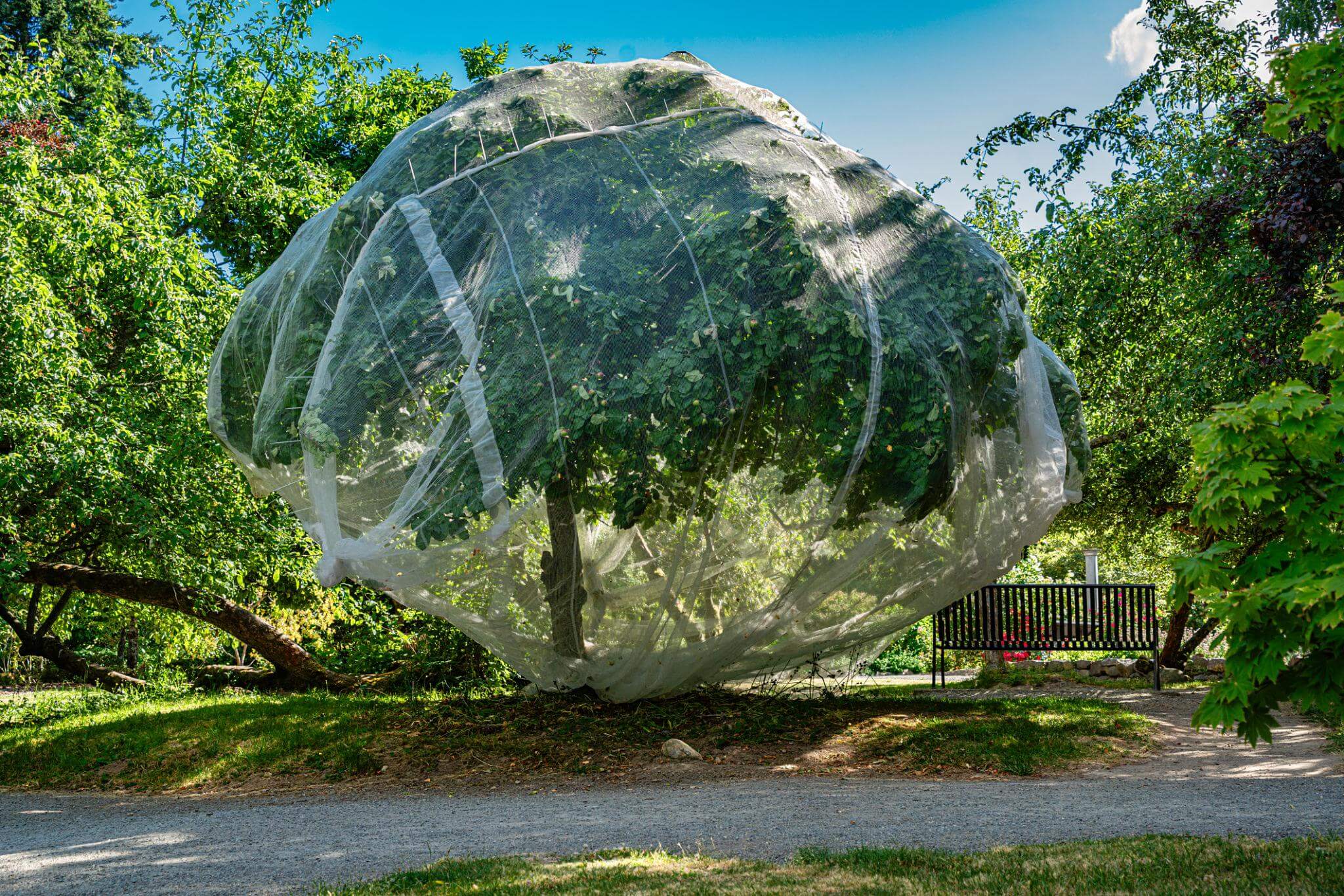
Fine mesh netting can shield entire trees from insects (and birds). It’s especially helpful for small or dwarf varieties.
3. Encourage Beneficial Insects
Nature provides its own pest control. Lady beetles, lacewings, and parasitic wasps feed on aphids and other soft-bodied insects.
Companion Planting
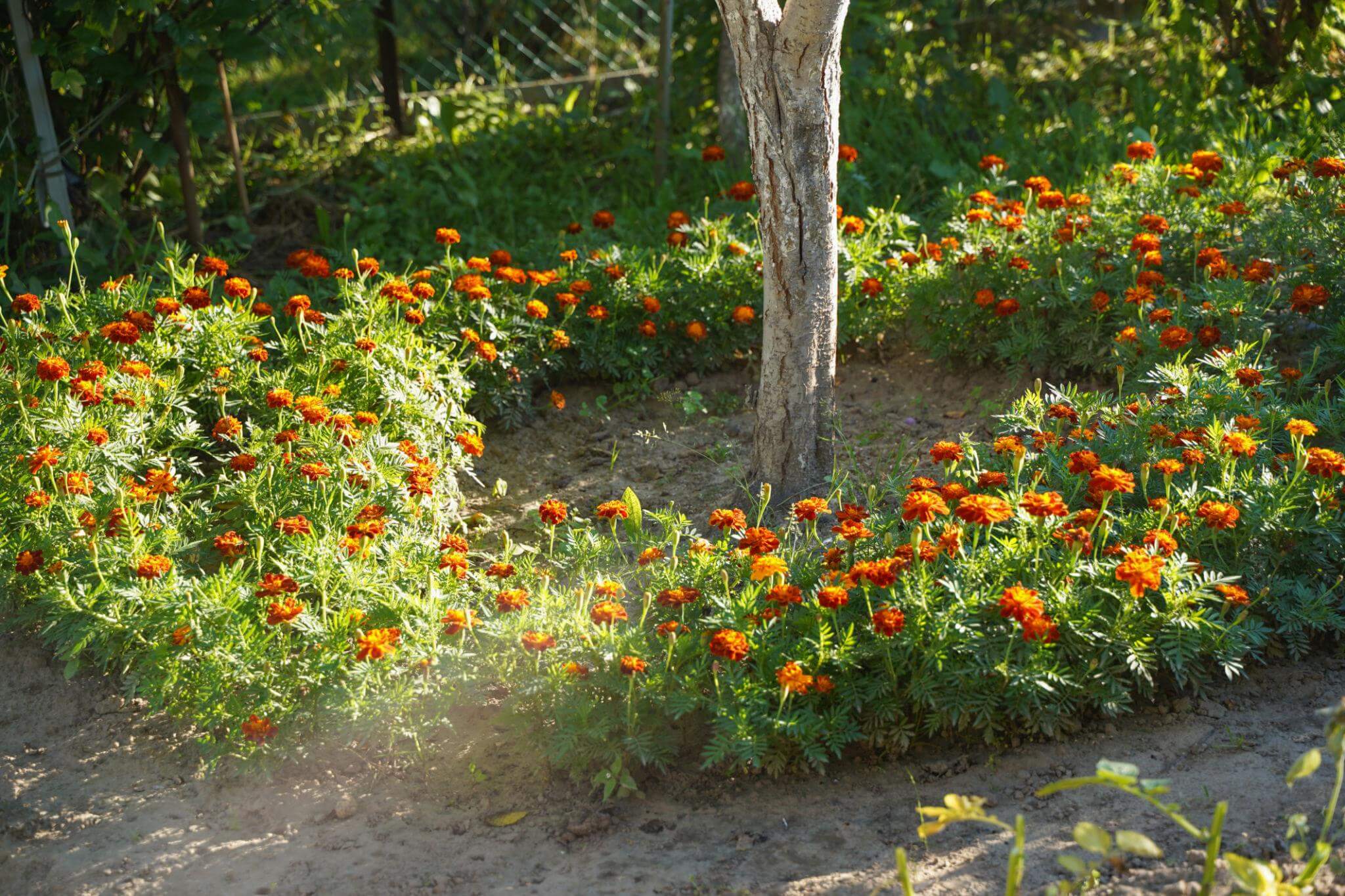
Planting flowers and herbs beneath trees can attract beneficial insects. Try:
These plants create habitat for natural predators that help keep pest populations under control.
4. Install Traps (Not Sprays)
Pheromone Traps
For pests like the Codling Moth, pheromone traps disrupt mating cycles and help monitor populations. These traps don’t spray chemicals—they use scent attractants to lure insects.
Sticky Bands
Wrapping sticky bands around tree trunks can catch crawling insects such as ants or weevils before they reach the canopy.
5. Practice Sanitation and Cleanup
Many insect problems begin with fallen fruit or debris.
Remove fallen fruit immediately.
Prune out infested or damaged branches.
Dispose of affected fruit away from your garden.
Insects like the Plum Curculio often overwinter in soil and debris, so keeping the area clean interrupts their lifecycle.
6. Hand Removal (Simple but Effective)
For visible pests like the Japanese Beetle, hand-picking in the early morning (when they’re sluggish) can significantly reduce numbers. Drop them into a bucket of soapy water.
While this method requires consistency, it’s highly effective for small trees and backyard gardens.
7. Improve Tree Health Naturally
Healthy trees are more resistant to insect damage.
Prune annually to increase airflow and sunlight.
Avoid over-fertilizing, which can promote soft, pest-attracting growth.
Water deeply but infrequently to encourage strong roots.
Stressed trees attract pests; vigorous trees tolerate minor damage without losing productivity.
8. Use Physical Soil Controls
For pests that pupate in soil:
Apply beneficial nematodes to target larvae underground.
Cultivate soil lightly in fall to expose overwintering insects to cold and predators.
Add compost to support beneficial soil organisms.
These approaches target insects at vulnerable stages without spraying foliage.
Final Thoughts
Treating fruit-bearing trees for insects without spraying is not only possible—it can be highly effective when done strategically. Physical barriers, traps, sanitation, beneficial insects, and proper tree care work together to create a balanced system.
The key is consistency and early intervention. Monitor your trees regularly, act before infestations grow, and focus on disrupting insect life cycles naturally. With the right approach, you can harvest clean, healthy fruit while protecting pollinators and maintaining a more sustainable garden ecosystem.