
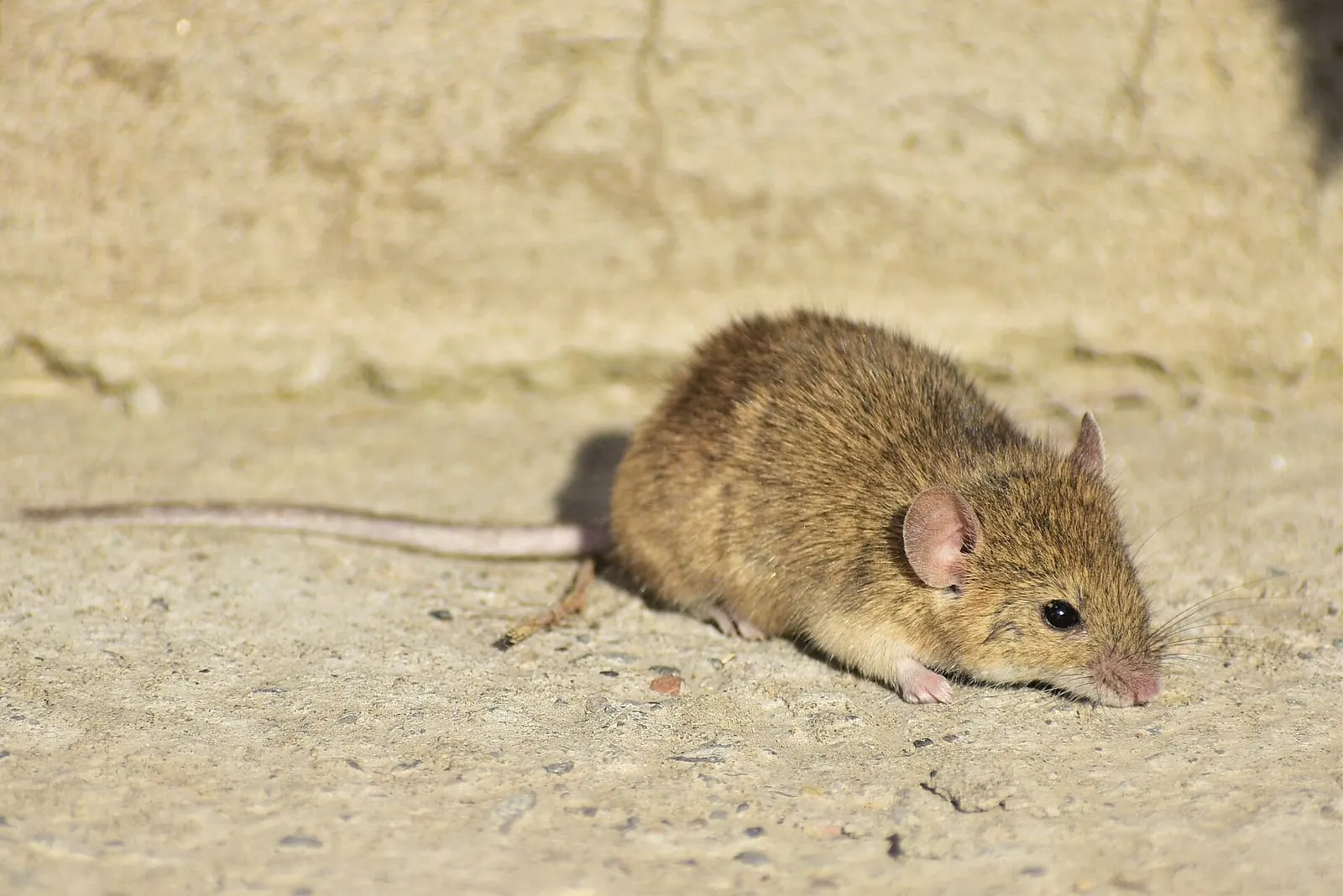
A house mouse in the pantry, a deer mouse nesting in a stored camper, a Norway rat burrowing along a ditch bank and a packrat filling a shed with sticks are four different problems. Each gets in its own way and needs its own fix, so the first step is finding out which one you have. That’s what the free rodent inspection is for.
The inspection
Before the tech comes out, tell us what you’ve noticed and where: droppings, chewed packaging, scratching at night, a smell in the garage. Leave a few droppings in place if you can, and clear a path to the garage, the crawlspace access and any sheds.
On the visit, the tech works through the outside of the home and the places rodents like best:
- Garages, including the gap where the garage door meets the slab
- Crawlspace vents and the spots where utility lines come through the walls
- Door sweeps
- Sheds and other outbuildings
Droppings, gnaw marks, greasy rub marks and nesting material usually tell you which species is there, and that changes where you look and where you seal. A roof rat travels high along fences and rooflines, while a Norway rat burrows near foundations.
The tech will show you where they’re getting in. A mouse can fit through a gap about the width of a pencil, which means the small openings count as much as the obvious ones. Sealing them is usually a job for you or a handyman.
Baiting the outside of the house
Prevention after the inspection usually means safely baiting the outside of the home. Bait goes into bait stations set around the exterior, which stops new rodents from moving in from the yard, a field or the neighbor’s woodpile. It’s relatively inexpensive next to dealing with an established problem inside. Tell the tech about pets, chickens and anything else that uses the yard so the stations can be placed with them in mind.
Your technician will suggest a baiting schedule based on what the inspection turns up. If new signs show up after that, text them.
In the meantime, move pet food, birdseed and livestock feed into sealed metal or heavy plastic containers. And if you clean up droppings yourself, wet them down with disinfectant first and never sweep them dry. Deer mice can carry hantavirus, and the cleanup steps are in the questions below.
Fall is the busy season
When fields are harvested and nights get cold, mice move toward buildings. Homes next to farmland, canals and open space feel it first, and the first scratching in the walls is when a lot of people call for an inspection.
Rodents in the yard
Some rodent problems stay outside. Raised runways in the lawn after the snow melts usually point to a vole. Fan-shaped dirt mounds belong to a pocket gopher, and open burrows along a dry field edge often belong to a ground squirrel. The field guides explain how to tell them apart and what each one means for your property.
Rodent control goes well with regular residential pest control, and businesses can add an inspection to commercial pest control. We inspect homes from the farm edges of Star and Kuna to the older neighborhoods of Boise. Book a free rodent inspection, or request a quote if you already know what you’re dealing with.


