A parked vehicle is a warm, dark box full of things to chew, and nobody disturbs it for days or weeks at a time. Around the Treasure Valley the trouble shows up most in vehicles parked near the foothills, in barns and pole buildings, and in anything that sits all winter: the summer convertible, the RV, the boat, the farm truck. A season of not checking can end with a nest on the air filter and a wiring repair bill.
The CDC notes that rodents often nest in cars, trucks and campers, especially ones that aren’t used often, and that they get in through ducting, rusted areas and cable conduits. An engine that was driven recently stays warm for a while after you shut it off. Put a vehicle that rarely moves next to birdseed, pet food, grain or a garden and you’ve made the decision easy for them. The chewing isn’t personal either. Rodent teeth never stop growing, rodents gnaw on nearly everything, and wire insulation, hoses and foam sound-deadening are soft and right there.
Under the hood
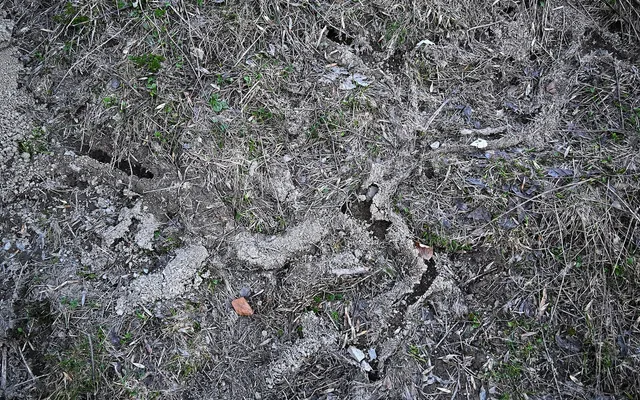
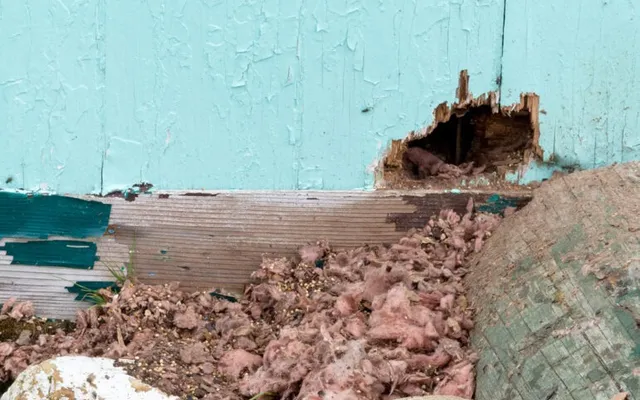
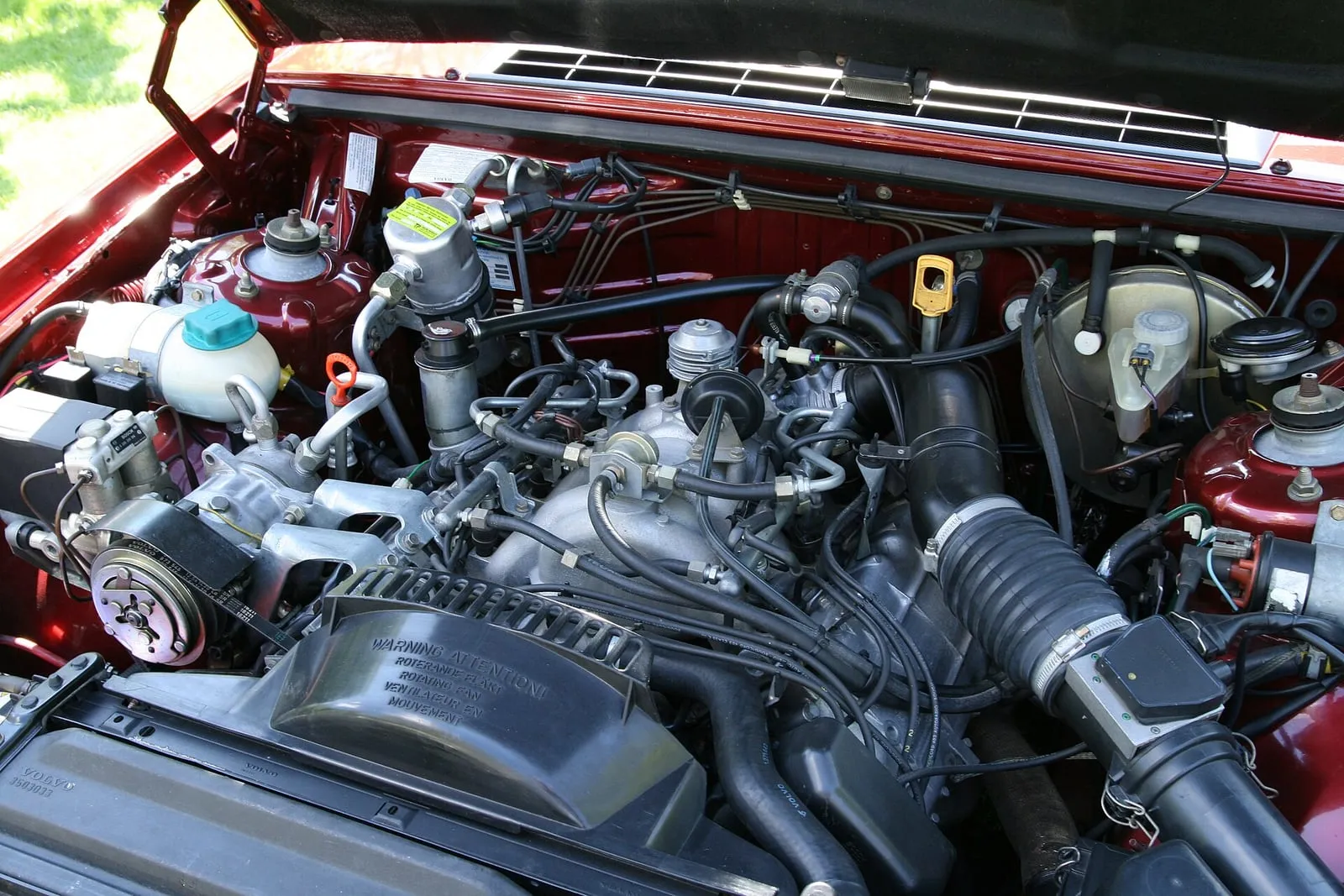
For any vehicle that sits, pop the hood every week or two. Nest material is the obvious find: dry grass, sticks, pine needles, shredded paper or fluffy insulation, usually on top of the engine, around the battery tray or packed into the air filter box. Look for droppings on the engine cover, the battery and in the fender wells, and for little caches of seeds, kibble or pine nuts tucked into corners. Tracks in the dust on the hood or engine cover tell you something has been walking around up there.
Some signs show up before you ever open the hood. Bits of chewed plastic or insulation on the ground under the engine. A musty, urine smell when the heater or fan runs, which can mean a nest in the cabin air intake. A check engine light, other warning lights, or accessories that quit working for no obvious reason.
Mice or packrats
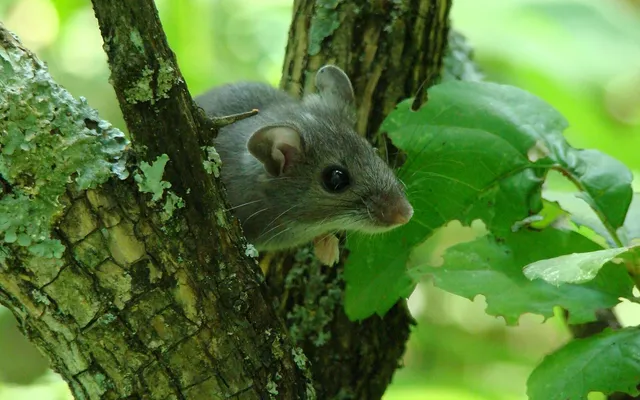
Both house mice and deer mice nest in vehicles. Deer mice are the bigger health concern because they carry hantavirus, so any nest cleanout should follow the steps in our hantavirus cleanup guide.
In much of Idaho, “packrat” means the bushy-tailed woodrat, a native rodent with a furry, squirrel-like tail. They like rocky country and rimrock and will move into outbuildings, which is why trucks parked near the foothills or in rural barns are the usual targets. A packrat nest tends to be a loose pile of sticks plus whatever else it has hauled in, and a packrat can stuff a surprising amount of it into an engine compartment. Our packrat field guide has more on them.
The soy wiring story
You’ve probably heard that automakers switched to soy-based wire insulation and that rodents find it tasty. The idea spread far enough to produce class-action lawsuits against several manufacturers. It hasn’t held up.
In 2024 a federal judge in Illinois dismissed one of those suits against Honda. The judge found the plaintiffs hadn’t uncovered any evidence that epoxidized soybean oil, or any bio-based material, was in the parts that suffered rodent damage, and described the case as resting on the “age-old problem of rodents gnawing on and damaging various types of materials” (CarComplaints summary of the ruling). A suit against Toyota over the same theory was dismissed in 2018.
So the soy claim is contested and unproven. Older cars with conventional wiring get chewed too, and a rodent living in your engine bay will chew whatever is there.
What keeps them out
Driving the vehicle is the best deterrent there is. A car that moves and runs every few days is a lot less appealing than one that’s sat for a month.
After that, it’s the area around the parking spot. Keep birdseed, grain, pet food and livestock feed in sealed metal or heavy plastic containers, especially in the garage or barn where you park, and don’t leave wrappers or snacks in the car. Clear woodpiles, junk, tall weeds and stored clutter away from where vehicles sit so there’s less cover on the way in.
A garage with good door seals keeps a lot out. UC IPM says house mice can get through gaps about a quarter inch tall, so check the door sweeps and the seal along the bottom of the garage door.
The CDC lists snap traps and baits as options for the rodents themselves. Traps and tamper-resistant bait stations around the garage, barn or outside of the home cut the population down before it finds the car. Keep stations secured and away from kids and pets.
An RV, boat or classic car going into winter storage needs a little prep. Take out food and bedding, check on it regularly, and think about covering the intake and exhaust openings with mesh. If you do, leave a note on the steering wheel so you remember to take it off.
Repellents, mostly unproven
People spend real money on these, so it’s worth being clear about what’s known.
Parking with the hood up, so the engine bay isn’t a dark cave, is a reasonable idea and harmless to try. We couldn’t find research showing it works. Lights under the car are the same story: plausible, no good evidence.
Peppermint oil, dryer sheets and bars of soap are popular and smell nice. We found no credible testing showing they keep rodents out of engine bays over time. Capsaicin-treated tapes and repellent sprays are sold for this exact job, and we haven’t seen independent testing that settles whether they work. At best they’re a layer on top of the basics.
Ultrasonic repellers have the weakest case. UC IPM says there’s little evidence that sound, magnetic or vibrational devices of any kind will drive established house mice out of buildings, and the FTC has warned manufacturers that ultrasonic pest-control claims need scientific support.
We’d skip mothballs entirely. They’re pesticides with label restrictions, and you don’t want those fumes pulled into the cabin.
If you find a nest
- Air it out. The CDC says to open the hood, doors and trunk for 20 minutes in a well-ventilated area before you start.
- Disconnect the battery before your hands go into the engine compartment.
- Put on gloves and long sleeves.
- Don’t vacuum or pressure-wash it. Spray the nest and droppings with disinfectant or a 1-to-9 bleach solution and let it soak for 5 minutes.
- Pick it up with paper towels and throw it away, then wipe the area down with more disinfectant.
- Replace the air filter if the nest was in the intake, and check the cabin air filter too.
- Reconnect the battery once everything’s dry.
- Have a mechanic look at any chewed wiring, since damaged wiring can cause electrical problems. Ask your insurer whether your policy covers animal damage while you’re at it.
If rodents keep finding your vehicles, the fix starts with the property around them. Our free rodent inspection is a good first step, and rodent control is usually a matter of baiting the outside of the home, which doesn’t cost much. For sizing up a bigger problem, see what to consider when you have a rodent problem, or contact us.
Quick answers
How do I know if mice are in my car engine?
Pop the hood and look for nest material such as grass, shredded insulation, paper or sticks, especially on top of the engine, around the battery and inside the air filter housing. Droppings, chewed wires or hoses, a musty smell through the vents and a sudden check engine light are other common signs.
Does soy-based wiring attract rodents?
That claim has been around for years, but it hasn't held up well. In a 2024 federal ruling dismissing a class action against Honda, the judge found the plaintiffs had no evidence that soy-based or other bio-based material was even in the damaged parts. Rodents chew all kinds of wire insulation, old and new.
Does peppermint oil keep mice out of cars?
There's no good evidence that it does. Peppermint oil, dryer sheets and similar scent repellents are popular, but we couldn't find credible testing showing they keep rodents out of engine bays. Removing food and shelter around where you park, and checking the engine regularly, does far more.
Will leaving the hood up keep packrats away?
Some people swear by it, and the idea makes sense since it takes away the dark, enclosed space rodents like. But there's no real research behind it, so treat it as something that might help, not a fix. Clearing out nearby shelter and food is the more reliable approach.