Scratching in the ceiling at 2 a.m., droppings behind the cereal boxes, a hole chewed through the bottom of a wall. However you found out, mice and rats are more than a nuisance. They contaminate food, chew wiring and multiply quickly, and the list of usual suspects in the Treasure Valley has grown in the last few years. Rats especially have become a regional issue: in 2026 the Central District Health board earmarked $250,000 toward the problem. Before you grab the first box of traps on the shelf, work through these seven things.
1. Identify the rodent
The right fix depends on who moved in. Around Boise, these are the four we run into most.
The house mouse is small, adaptable and can squeeze through a gap about the size of a dime. House mice breed fast and are happy to nest inside walls, cabinets and storage boxes.
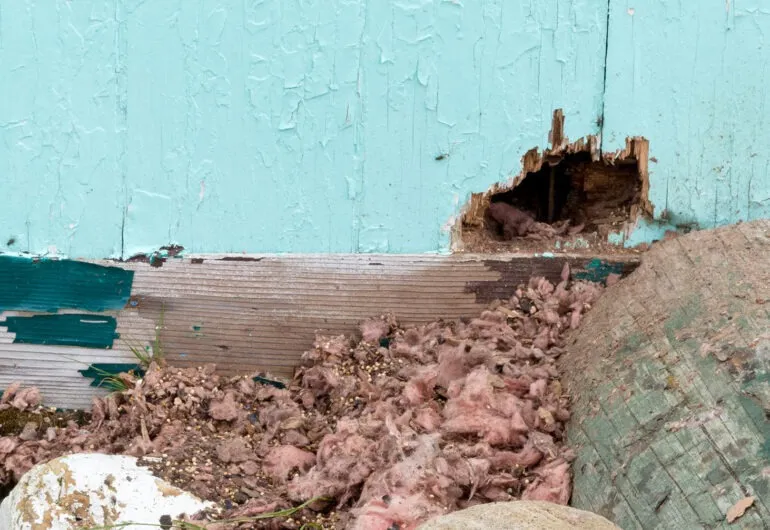
The deer mouse is brown on top with a crisp white belly and white feet. It’s common in garages, sheds, cabins and crawlspaces, and it’s the main carrier of hantavirus in our part of the country.
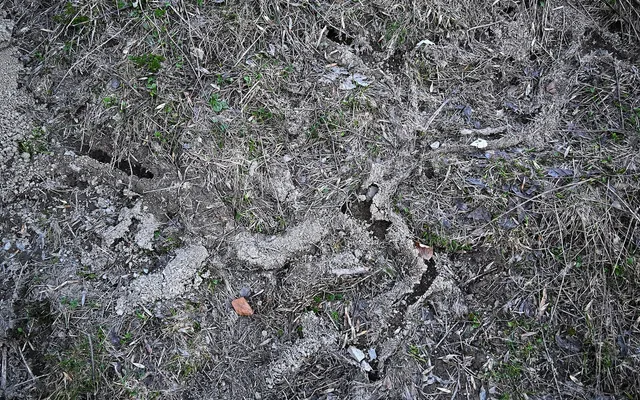
The Norway rat is a heavy, burrowing rat that lives under decks, sheds, slabs and woodpiles and works its way into crawlspaces and lower levels. Local reporting says sightings in Boise and Eagle have been climbing since about 2020.
The roof rat is slimmer and a good climber. It prefers attics, ceilings and the upper parts of a building, and often gets there by way of trees, vines and fences.
The species changes the plan. Roof rats need different trap placement than burrowing Norway rats, and a deer mouse in the garage calls for more careful cleanup than a house mouse in the pantry.
2. Gauge how big the problem is
A few mice caught early don’t get the chance to become a few dozen. Look for droppings near food and along baseboards, gnaw marks on packaging, wood trim or wiring, and nests of shredded paper, fabric or insulation. Listen for scratching or scurrying in the walls and ceilings, mostly at night. Rodents that travel the same route every night leave dark grease marks along the walls.
They’re mostly nocturnal. If you’re seeing them in daylight, there may be more of them than the hiding spots can hold.
3. Take the health risks seriously
Droppings, urine and nesting material can carry bacteria and viruses and can set off allergies and asthma. Illnesses linked to rodents include hantavirus pulmonary syndrome (spread mainly by deer mice in the West), salmonellosis and leptospirosis.
Cleanup is when people get exposed. Don’t sweep or vacuum droppings, because that puts contaminated dust in the air. The CDC’s cleanup method is to open doors and windows for 30 minutes, wear rubber or plastic gloves, soak droppings for 5 minutes in disinfectant or a fresh mix of 1 part bleach to 9 parts water, and wipe them up with paper towels. We go through it step by step in how to clean up after deer mice safely.
4. Find the way in
Rodents get into buildings through gaps that look far too small for them. Walk the outside of the house with a flashlight and check:
- Foundation cracks, and gaps where the siding meets the foundation
- Gaps around doors and windows, and worn door sweeps
- Openings where utility lines, dryer vents and hose bibs come through
- Roof vents, eaves and soffits
- Garage doors with damaged bottom seals
Mark anything you could fit a pencil into. Sealing those openings is called exclusion, and it’s one of the most effective long-term fixes there is. Without it, even successful trapping only clears the house until the next wave moves in. Steel wool packed into small gaps and backed with sealant, hardware cloth over vents, and a new door sweep go a long way.
5. Check for damage
Rodents chew. Wiring is the serious one, because it’s a fire hazard. They also flatten and soil insulation, gnaw wood framing and trim, and get into stored goods in garages and basements. Cars parked for a while are a target too (see mice and packrats in car engines).
If you find chewed wiring in the house, have an electrician look at it before you close the wall back up.
6. Decide between DIY and professional help
For a small, isolated problem, snap traps and better sanitation may be enough. Set more traps than you think you need, put them along the walls where you’ve found droppings, and check them every day.
Larger or recurring infestations usually call for a professional who can identify the species, find the nesting areas, set up targeted treatment and plan prevention. Be careful with poison bait inside the house, especially with pets or kids around. A rodent that eats bait and dies inside a wall cavity leaves a smell you won’t forget. If you have pets, our pest control safety guide covers what to ask about any treatment.
7. Keep them from coming back
Prevention costs less than a repeat. Store food, birdseed and pet food in airtight containers, keep trash sealed and take it out regularly, and clear the clutter in garages and storage areas that doubles as nesting material. Keep shrubs, woodpiles and ground cover pulled back from the foundation. If you’ve had problems more than once, schedule periodic inspections.
Our free rodent inspection covers the first few steps on this list: what you’ve got, how much of it, and where it’s getting in, so you or a handyman can seal it. For ongoing prevention, rodent control usually means baiting the outside of the home. Call (•••) •••-•••• or send us a message.
Quick answers
How do I know if I have mice or rats?
Droppings are the quickest tell. Mouse droppings are small, about the size of a grain of rice, while rat droppings are noticeably bigger and blunter. Rats also leave wider gnaw marks and heavier grease smudges along their routes, and their entry holes are larger.
Is it safe to vacuum mouse droppings?
No. Sweeping or vacuuming can stir up dust from droppings and urine, which is how people are exposed to hantavirus. Air the space out, wear gloves, soak droppings with a bleach solution or disinfectant, then wipe them up with paper towels and bag them.
Are there rats in Boise now?
Yes. Norway rat sightings in Boise and Eagle have become increasingly common since about 2020, and in 2026 Central District Health set aside money for a rodent abatement and prevention project. If you see a large rodent with a thick, scaly tail around a shed or deck, take it seriously.
Should I use poison bait inside my house?
Generally not without a plan. Bait inside the house can put pets and kids at risk, and a rodent that dies inside a wall cavity will make the room smell for weeks. Traps indoors and tamper-resistant bait stations outside the home are the more common approach.