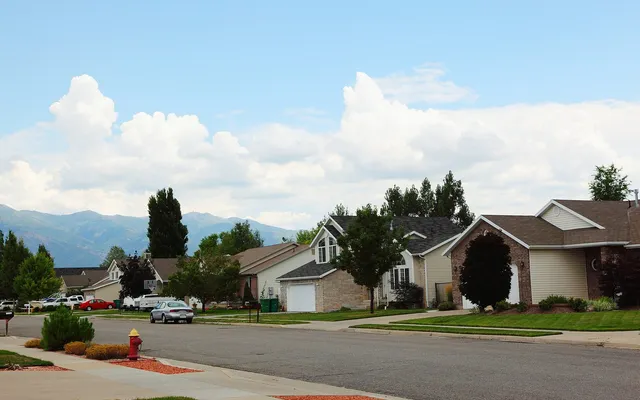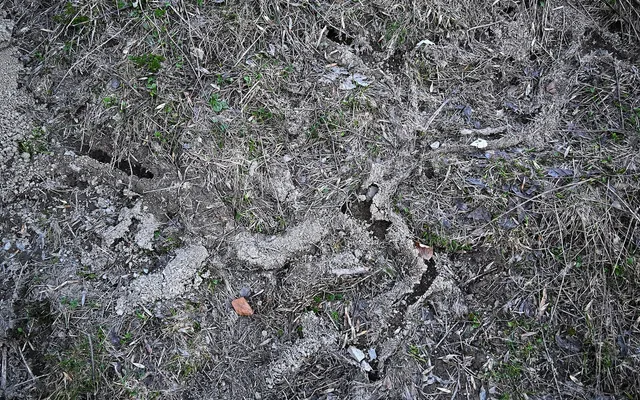
If you have a dog that eats everything or a toddler who lives in the grass, you should have questions before anyone sprays around your house. Pest control products are made to kill living things, and “it’s totally safe” isn’t an honest answer from anybody. What you can get is a clear picture of what’s being used, where it goes, and what you need to do to keep the risk low.
Federal pesticide labeling rules treat claims like “safe,” “nontoxic” or “harmless” as false or misleading, even with “when used as directed” tacked on. If the label can’t say it, the person selling you the service shouldn’t either. What a company can reasonably tell you is that it follows the label, uses products suited to the job, and takes steps to keep exposure down. You can check all of that.
Questions to ask before you hire anyone
The EPA and the National Pesticide Information Center both publish hiring checklists. For a household with kids and pets, these are the questions that matter most:
- Are your applicators licensed? In Idaho, professional pesticide applicator licensing is handled by the Idaho State Department of Agriculture.
- What products will you use, and can I see the labels? The EPA says reliable applicators will provide copies.
- Where exactly will you spray: outside only, the foundation and eaves, the whole yard, indoors? The answer changes how you prep.
- How long should my kids and pets stay off treated areas?
- How do you protect pollinators, ponds and gardens?
- If you use rodent bait, what kind of stations, where, and what’s in them?
- Do you look at non-chemical fixes too? Sealing a gap or fixing a moisture problem can do more than a spray.
- Is there a long-term contract?
A company that gets annoyed by these questions has told you something useful.
Bifenthrin, in plain terms
Pest Pro X’s old FAQ named one product: Bifen I/T, which contains 7.9 percent bifenthrin. It’s the one people ask us about, so this section covers what it is, mostly from the National Pesticide Information Center’s bifenthrin fact sheet.
Bifenthrin is a pyrethroid. Pyrethroids are human-made versions of pyrethrins, the natural insecticides that come from chrysanthemum flowers. It acts on the nervous system of insects that eat or touch it, and it’s more toxic to insects than to people, partly because insects have lower body temperatures and smaller bodies.
It’s poorly absorbed through skin. Skin contact can cause tingling, itching, burning or numbness at the spot, and that usually goes away within 48 hours. Pets that are exposed may vomit, have diarrhea, drool, act lethargic, twitch their ears or flick their paws, among other signs.
The EPA classifies bifenthrin as a possible human carcinogen, based on studies in mice. Rat studies didn’t show cancer. We’re including that because you’d find it anyway, and you should hear it from us straight.
In the environment, it’s very highly toxic to bees, highly toxic to fish and small aquatic organisms, and low in toxicity to birds. It binds tightly to soil, so it’s unlikely to reach groundwater, but soil carrying it can wash into surface water.
That bee toxicity is the reason we never spray flowering plants directly. Bees and other pollinators feed on the blooms, and keeping product off flowers keeps it away from them. Fish are the other group bifenthrin is hard on, and runoff is how it reaches them, so ponds, creeks and irrigation ditches need the same care.
What “until dry” means
Pesticide labels are legal documents. The label for a product like Bifen I/T tells applicators not to let people or pets contact treated surfaces until the spray has dried. The NPIC’s guidance for pet owners says to keep pets out of treated areas until the pesticide has dried completely, or for the label’s time if that’s longer.
Dry takes longer in some places than others. Shady, damp spots dry slower than sunny ones, so the north side of the house and the strip under the deck lag behind. Granular lawn products can need 24 hours or more as the granules dissolve and the area dries. And dry doesn’t mean gone: NPIC suggests keeping pets from licking, chewing or eating treated plants even after they’ve dried.
Leave the sprinklers off until an exterior treatment has dried. Running them right away washes product off where it’s needed and toward places it isn’t.
Before the technician shows up
Bring dogs and cats inside, or keep them in an untreated part of the yard, before the technician starts, and keep them in until treated areas are dry. Pick up food and water bowls, toys, chews and bedding from anywhere that’s getting treated. Do the same sweep for the kids’ stuff: balls, sidewalk chalk and anything else that ends up in a mouth. Kids stay off treated areas until they’re dry, same as the dog.
Things your technician should know about before starting:
- Chickens, rabbits or other outdoor animals, and where their pens are
- The sandbox, play set and garden
- Ornamental ponds, water features and stock tanks
- Beehives, yours or a neighbor’s
- Where you’ve actually seen pests, since a targeted treatment uses less product overall
For indoor work, NPIC recommends covering fish tanks so vapors and dusts can’t get in. Outside, close the windows on the sides being treated, unlock gates, and tie back anything blocking the foundation.
You text directly with the Pest Pro X technician who’s coming to your property, so the dog’s name, the gate code and where the pond is can all be sorted out before anyone arrives.
Rodent bait stations
Rodent prevention usually means baiting the outside of the home, which brings its own questions. Rodent bait is made to be eaten, and pets and kids can’t read labels.
EPA rules cover a lot of this. Consumer bait station products must be shown to resist tampering by young children and dogs. Professional-use bait labels require tamper-resistant bait stations wherever children under six, pets or nontarget wildlife have access, and for all above-ground outdoor applications. The strongest anticoagulant baits, the second-generation products, aren’t registered for consumer use and are limited to professional markets; the EPA notes they pose greater risks to animals that eat poisoned rodents.
So ask whether the stations are locked and anchored or otherwise secured so they can’t be carried off, and whether they’re placed away from play areas and dog runs. Find out the active ingredient and keep it written down somewhere. If you ever find bait outside a station, pick it up with gloves and call the company.
Snap traps and other mechanical traps are another option, set inside covered boxes or where kids and pets can’t get to them.
If something goes wrong
- Pet exposure: call your vet or the ASPCA Animal Poison Control Center at (888) 426-4435 (a fee may apply). Trouble breathing, tremors, seizures or collapse are an emergency.
- Human exposure: call Poison Control at (800) 222-1222.
- Questions about a pesticide: NPIC is at (800) 858-7378.
Have the product name or label ready when you call, which is one more reason to ask for it up front. Putting these numbers on the fridge before the visit doesn’t hurt.
Pest Pro X is licensed and fully insured, and we buy products only through trusted vendors. Our FAQ covers the questions we hear most, and the residential pest control and rodent control pages describe what a visit involves. For anything else, get in touch.
Quick answers
Is pest control safe for dogs?
No pesticide is risk-free, and federal rules don't even allow pesticide labels to call a product safe. The risk to dogs drops a lot when products are applied according to the label and pets stay off treated areas until they're dry. Ask your company what they're using and where, and keep the label handy in case of questions.
How long should pets stay off the lawn after pest control?
The National Pesticide Information Center recommends keeping people and pets off treated areas for the time on the label or until the area is dry, whichever is longer. Shady or damp spots dry more slowly than sunny ones. Granular products can need 24 hours or more, so check the specific label.
Is bifenthrin harmful to bees?
Yes. The National Pesticide Information Center describes bifenthrin as very highly toxic to bees and highly toxic to fish. That's why careful applicators don't spray flowering plants where pollinators feed and take care to keep it out of ponds and runoff.
Are rodent bait stations safe around pets?
Bait stations reduce the risk but don't eliminate it. The EPA requires tamper-resistant bait stations wherever children under six, pets or nontarget wildlife could get to professional-use bait, and consumer stations must be shown to resist tampering by young children and dogs. Stations should be secured and placed away from play areas, and you should know what bait is in them.