Most Treasure Valley summers have a stretch where the backyard is great until about 8:30 p.m., and then it isn’t. Here the mosquitoes also carry West Nile virus, which turns up in Idaho mosquito samples most years. The county handles a lot of the control work. What’s left is mostly the water sitting in your own yard.
The mosquitoes that carry West Nile here
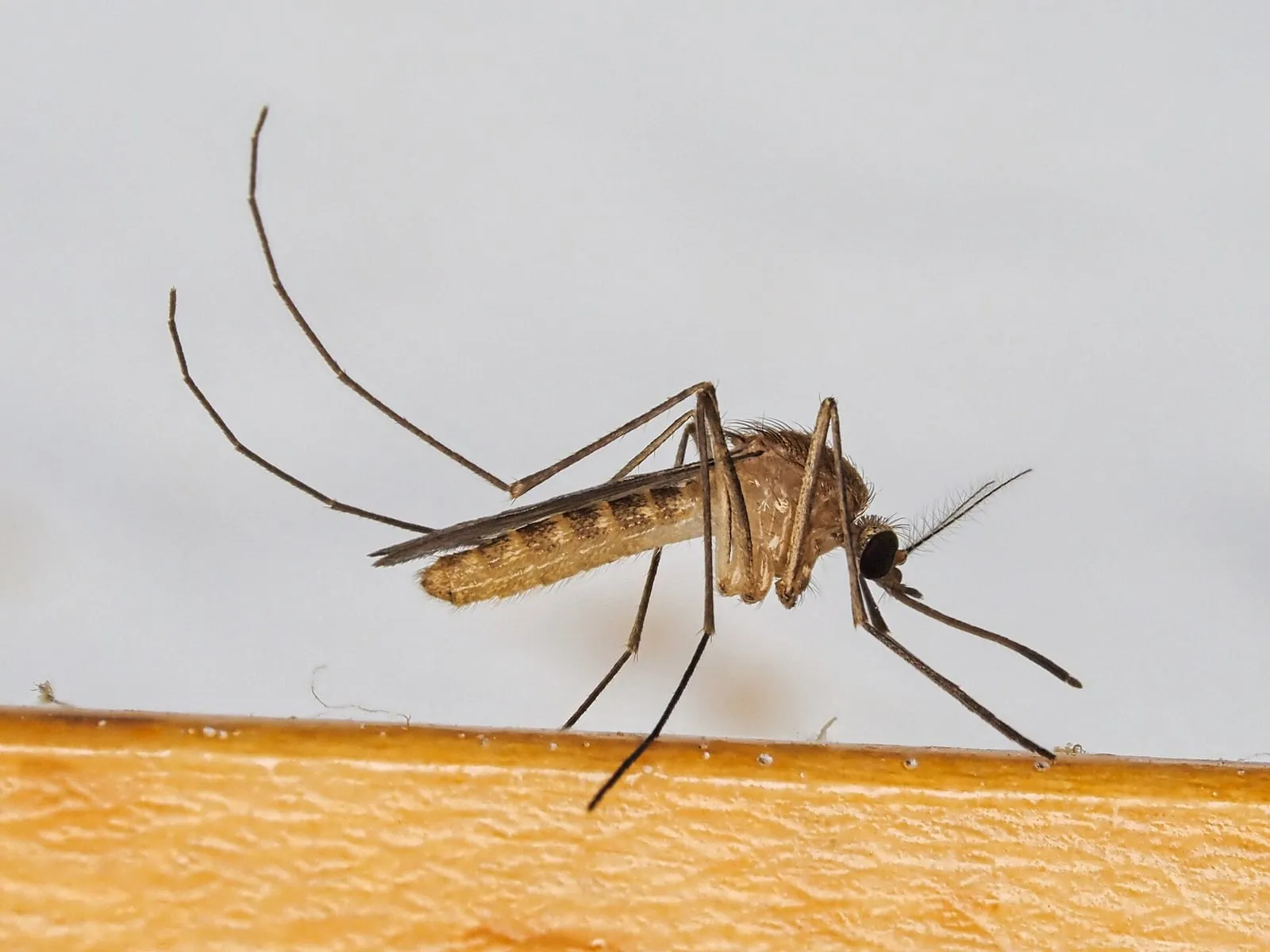
Idaho has plenty of mosquito species, but the Idaho Department of Health and Welfare names two, Culex tarsalis and Culex pipiens, as the most likely to carry and transmit West Nile virus in the state. They pick up the virus feeding on infected birds and pass it on to people and horses. They’re most active from dusk to dawn, so the mosquitoes ruining your evening on the patio are the same ones health officials worry about. And they’ll breed in standing water whether it’s clean or not. Irrigation runoff, a forgotten bucket and a stagnant ornamental pond all work fine for them.
West Nile isn’t an emergency in every yard, but it’s not hypothetical. The same IDHW post reported that in 2021 the virus was found in 16 people, 15 horses and two birds in Idaho, and that it contributed to two human deaths. In 2024, Central District Health announced the state’s first human infections of that season in Ada and Canyon counties.
According to the CDC, most people infected with West Nile virus never develop symptoms. Some get fever, headache, body aches and similar symptoms, and a smaller number become severely ill. Idaho health officials note that severe illness is more likely in people 50 and older. There’s no licensed vaccine or medicine for West Nile in people, which leaves avoiding bites as the only real protection: an EPA-registered repellent such as DEET used according to the label (read it carefully for kids), long sleeves and pants at dusk and dawn, and window and door screens without holes in them. Horses get it too, so horse owners should talk to their vet.
The county’s water
A lot of people don’t know Ada County has a mosquito abatement district. It’s run through Ada County Weed, Pest and Mosquito Abatement and covers about 406 square miles of the county. According to the district, crews trap mosquitoes nightly at sites around the county, then count, identify and test them for West Nile virus. A positive result brings more trapping and treatment nearby. Where crews find larvae in standing water, they treat it with biological products such as Bti along with other larvicides. For adults, ultra-low-volume fogging trucks spray at night. The district doesn’t fog during the day, to protect bees, and beekeepers can call to have their hives mapped.
You can ask for help or opt out. Residents can submit a Request for Service form on the district’s website or call (208) 577-4646. Property owners who don’t want their property fogged can file a no-spray request, which has to be renewed every calendar year. The district’s Mosquito Tracker is an online map of trap results and West Nile activity around the county, worth a look whenever West Nile is in the local news.
If the mosquitoes are coming off a canal, drain, wetland or neighborhood pond, call the district first. That’s their job, and they can treat water you can’t.
Your water
Anything on your lot that holds water for more than a few days in warm weather can raise mosquitoes. The usual places:
- Buckets, wheelbarrows, kiddie pools and toys
- Plant saucers and empty pots
- Tarps over firewood or boats that sag and collect water
- Old tires
- Clogged rain gutters
- Birdbaths, pet bowls and livestock tanks
Idaho health officials recommend draining standing water and changing birdbaths and animal water tanks at least once a week. A week is the number because in summer heat mosquitoes get from egg to biting adult quickly. Clean gutters in spring and again after storms.
Irrigation is the Treasure Valley’s particular contribution. Sprinkler systems that run too long leave puddles in low spots, along curbs, at the bottom of slopes and in window wells, and the abatement district specifically asks residents not to overwater lawns. Shorter, more frequent sprinkler cycles often fix runoff without browning the grass.
Some older Boise neighborhoods and a lot of acreage around the valley still take ditch water and flood-irrigate lawns and pasture. The grass loves it, and so do mosquitoes if water sits in the low corners for days after the set ends. Watch where it lingers after you irrigate. Filling or regrading low spots, keeping ditches and tail-water drains clear, and not running water longer than the ground can soak it up all help.
Ornamental ponds are fine as long as the water moves or something eats the larvae. Keep pumps and fountains running, don’t let the edges get choked with vegetation, and empty water features nobody’s maintaining. Bti mosquito products are sold for homeowner use in ponds and troughs. They’re the same kind of biological larvicide the district uses. Follow the label.
Where fogging fits
During the day, adult mosquitoes rest in shady, sheltered vegetation: tall grass, shrubs, hedges, the leafy plants along a fence. A yard fogging treatment goes after those resting spots and knocks down the adults living on your property, which is what makes a backyard usable again for an evening, a party or a summer of grandkids in the sprinkler.
Fogging does nothing to larvae in standing water. If there’s a breeding source in your yard or next door, new adults keep hatching and moving in. Fog for relief and fix the water for the long run.
A mosquito treatment also isn’t the same as regular pest control. A general treatment concentrates on the foundation and eaves, where crawling insects and spiders get into the house. Mosquito fogging covers the grass and plants across the whole property, because that’s where mosquitoes rest. We never spray flowering plants directly, to keep pollinators out of it, which is the same reason the county fogs at night.
If you’ve dealt with the standing water and the yard is still unbearable at dusk, get in touch about fogging. And if it’s wasps rather than mosquitoes chasing you inside later in the summer, see our post on yellowjackets in late summer.
Quick answers
What does the Ada County Mosquito Abatement District do?
The district traps mosquitoes nightly around the county and tests them for West Nile virus, treats larvae in standing water, and fogs for adult mosquitoes from trucks at night. Residents can submit a service request online or call (208) 577-4646, and can check West Nile activity on the district's Mosquito Tracker map.
Which mosquitoes carry West Nile virus in Idaho?
Idaho Department of Health and Welfare names Culex tarsalis and Culex pipiens as the species most likely to carry and spread West Nile virus in the state. Both are most active from dusk to dawn, and both breed in standing water, including irrigation runoff and stagnant containers.
How often should I dump standing water to prevent mosquitoes?
At least once a week. Idaho health officials recommend draining standing water from outdoor containers and changing birdbaths and animal water tanks weekly. Do it more often after heavy rain or a long irrigation set.
Does yard fogging for mosquitoes work?
It knocks down adult mosquitoes resting in grass, shrubs and shady plants on your property, which helps a lot for using your yard in summer. It does nothing to larvae in standing water, so the mosquitoes come back if a breeding source is nearby. Fogging works best paired with getting rid of standing water.